Algorithms for Computational Resource Optimization
Level 9
—
Oct 25, 2025
🚧 Content Planning
Initial research phase. Tools and protocols are being defined.
Visual Studio Code (with Python Extension) & Official Python Distribution
Codecademy Official Introduction · Latest Video
Strategic Rationale
For a 13-year-old delving into 'Algorithms for Computational Resource Optimization,' the foundational elements are critical: a robust programming environment, structured learning, and hands-on problem-solving that highlights efficiency. At this age, the transition from visual block coding to text-based programming is often occurring, making now the opportune time to introduce professional-grade tools. Our selection prioritizes experiential learning, fostering logical thinking through practical application, and visualizing performance trade-offs inherent in optimization.
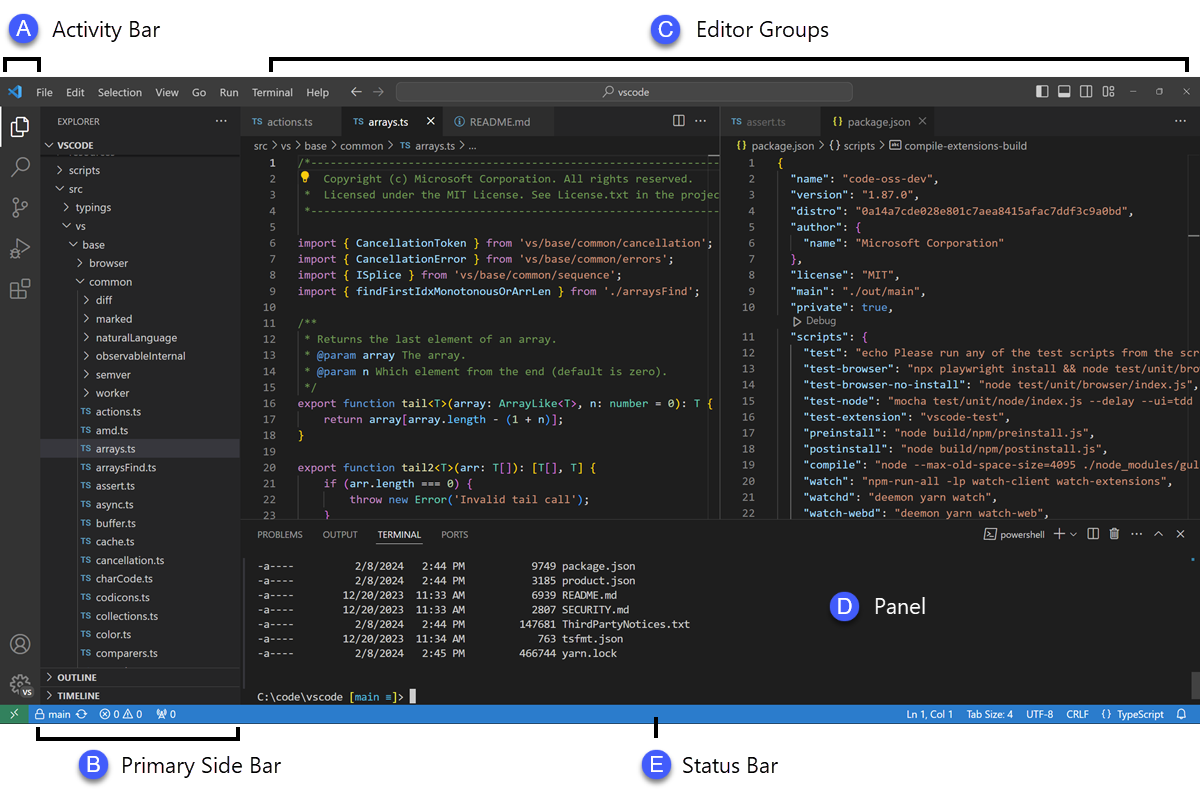
Visual Studio Code (with Python Extension) & Official Python Distribution provides the essential, industry-standard workbench. It's free, highly extensible, and allows the child to write, run, debug, and even profile Python code. This direct interaction is crucial for understanding how algorithms function and where inefficiencies might lie. It prepares them for more advanced computer science concepts and professional development.
Codecademy Pro Subscription (Computer Science & DS&A Paths) offers a world-class, interactive, and structured curriculum. It provides guided lessons on data structures and algorithms, with immediate feedback, making complex concepts accessible. The focus on Python within these paths aligns perfectly with the hands-on approach of VS Code. Critically, Codecademy teaches not just how to implement algorithms but also the implications of different approaches on computational resources (time and space complexity), which is the core of optimization.
Together, these tools create a powerful ecosystem. The child learns the 'what' and 'why' of optimization through Codecademy's structured lessons and then immediately applies and experiments with these concepts in a real coding environment using VS Code, observing the direct impact of their algorithmic choices.
Implementation Protocol for a 13-year-old:
- Setup & Familiarization: Assist the child in installing Python and Visual Studio Code (including the Python extension) on their computer. Guide them through the basic interface of VS Code and how to run a simple 'Hello World' Python script.
- Guided Learning (Codecademy): Begin with Codecademy's 'Learn Python 3' course if they are new to Python. Once comfortable, transition them to the 'Computer Science' career path, specifically focusing on the data structures and algorithms modules. Encourage them to complete the interactive exercises.
- Active Experimentation (VS Code): After learning an algorithm on Codecademy (e.g., a sorting algorithm), challenge them to implement it from scratch in VS Code. Then, encourage them to write a second, different algorithm for the same task. Provide simple datasets to test both.
- Performance Measurement: Introduce basic Python
timemodule functions to measure the execution time of their different algorithms for varying input sizes. Visualize the results (e.g., usingmatplotlibif they're ready, or simply plotting points by hand). Discuss which algorithm performs better and why. - Debugging & Optimization: Encourage using VS Code's debugger to step through their code, understanding variable changes and execution flow. When an algorithm is slow, prompt them to identify bottlenecks and brainstorm ways to optimize it, linking back to concepts learned in Codecademy (e.g., choosing a more efficient data structure or algorithm).
- Relate to Reality: Connect optimization concepts to everyday experiences: Why does one app load faster than another? How do search engines quickly find results? This helps solidify the abstract concepts with tangible relevance.
Primary Tools Tier 1 Selection
Visual Studio Code User Interface
Official Python Logo

This combination provides a professional, free, and highly extensible integrated development environment (IDE) for coding in Python, along with the necessary runtime. At 13, moving beyond block-based coding to text-based programming is crucial for understanding the intricacies of algorithms. VS Code allows for writing, running, debugging, and profiling Python code, which are all essential for experimenting with and understanding computational resource optimization. It's the standard for many professional developers, introducing a mature toolkit that offers maximum developmental leverage for this age.
Codecademy Learning Environment Screenshot
Codecademy offers interactive, structured courses that teach core computer science concepts, including data structures and algorithms, specifically emphasizing Python. The 'Computer Science' career path and individual courses like 'Learn Data Structures and Algorithms with Python' directly address the topic of understanding how different approaches impact efficiency. The interactive coding environment with immediate feedback is ideal for a 13-year-old, allowing them to experiment with different solutions and observe performance implications, a direct path to understanding resource optimization. It bridges the gap between theoretical understanding and practical implementation, fostering algorithmic thinking vital for this age.
Also Includes:
DIY / No-Tool Project (Tier 0)
A "No-Tool" project for this week is currently being designed.
Complete Ranked List4 options evaluated
Selected — Tier 1 (Club Pick)
This combination provides a professional, free, and highly extensible integrated development environment (IDE) for codi…
Codecademy offers interactive, structured courses that teach core computer science concepts, including data structures …
DIY / No-Cost Options
A simple, beginner-friendly Python Integrated Development Environment (IDE) with a visual debugger.
Thonny is excellent for absolute beginners, especially younger children or those just starting with Python, due to its simplicity and built-in debugger that visually shows how variables change. However, for a 13-year-old ready to delve into computational resource optimization, Visual Studio Code offers more extensive features, better extensibility for larger projects, and prepares them for professional development, making it a better 'best-in-class' tool for this specific age and topic. Thonny might be outgrown quickly when focusing on detailed algorithmic analysis and performance measurement.
A small, single-board computer often used for embedded projects, robotics, and learning coding with direct hardware interaction.
While a Raspberry Pi offers a fantastic platform for learning about hardware constraints and optimizing code for limited resources, the primary focus of the shelf topic 'Algorithms for Computational Resource Optimization' within 'Engineered Digital and Informational Systems' primarily refers to software algorithms optimizing data and computation, rather than directly managing hardware resource limits on an embedded device. While related, a software-centric approach within a desktop environment (VS Code + Codecademy) offers a more direct and broader exposure to the *algorithmic* aspects of optimization for a 13-year-old at this specific node. The Pi might be better suited for a node directly about 'Embedded Systems Optimization' or 'Hardware Resource Management'.
What's Next? (Child Topics)
"Algorithms for Computational Resource Optimization" evolves into:
Algorithms for Space Efficiency and Data Compaction
Explore Topic →Week 1726Algorithms for Temporal Efficiency and Access Acceleration
Explore Topic →This dichotomy fundamentally separates algorithms for computational resource optimization based on the primary type of resource being optimized through representational modification. The first category encompasses algorithms focused on minimizing the physical or logical space required to store or represent information, typically achieved through compression, encoding, or data structure design. The second category comprises algorithms focused on reducing the time required to access, process, or transform information, achieved through optimized data structures, indexing, caching strategies, or algorithmic design that leverages the representation. Together, these two categories comprehensively cover the full scope of how representational modifications are used to optimize the fundamental computational resources of space and time, and they are mutually exclusive in their primary objective, often exhibiting a time-space tradeoff.